Best Rooftop Terrace Hotels in Greater Buenos Aires
Rooftop terrace hotels in Greater Buenos Aires give travelers the city's best free spectacle, its endless flat skyline, without asking them to leave the building. This is the deepest category in the city: terraces top art deco towers in the Microcentro, converted buildings near San Telmo and modern blocks out toward Belgrano, which means a terrace stay works at almost any budget. The terrace season runs long here, from the jacaranda bloom of November to the mild weeks after Easter, and the evening ritual is dependable: portenos eat late, so the hour between sunset and dinner belongs to whoever is standing above the street with a glass in hand.
Buenos Aires is theatrical without trying: faded belle epoque grandeur beside brutalist office slabs, bookshops in old theatres, steak smoke drifting from parrillas at ten at night. Seen from a terrace, the drama organizes itself. Cupolas and rooftop water tanks make the near view, the Congreso dome or the Catalinas towers anchor the middle distance, and the flat pampa horizon holds everything in a straight line no European capital can match.
Rooftop Terrace · greater-buenos-aires in numbers
Where to stay
Domes and Cupolas Along Avenida de Mayo
A terrace changes how Buenos Aires paces itself. The city asks for long walks, from Plaza de Mayo's colonial core through San Telmo's antiques blocks and up the length of Avenida de Mayo, and a rooftop gives those kilometers somewhere to settle. Come up at seven and the day's route re-draws itself below: the dome you photographed at noon now catches the last light, and the lanes of 9 de Julio reduce to a river of headlamps.
Terraces are native to this city in a way few skylines can claim. Buenos Aires grew as a low, dense grid of masonry buildings with flat roofs, and generations of portenos have used those roofs for laundry, asados and summer evenings; hotels here inherit that habit rather than importing it. The result is variety: art deco ledges above Avenida de Mayo, wide decks over the Microcentro's office canyons, small converted-building patios toward the south of the center. Choosing among them is really choosing a version of the city, formal and historic near Plaza de Mayo, residential and leafy toward Belgrano, glassy and new by the river.
The terrace hour here is protected by the local clock. Dinner in Buenos Aires rarely starts before nine, which leaves a long, unhurried gap after work ends and the light begins to drop. That gap is when hotel rooftops fill: the vermouth and Fernet orders go out, the office towers along Leandro N. Alem empty, and the sky over the west of the city does its slow color change while the Rio de la Plata goes dark to the east. Travelers who structure their evenings around that rhythm, terrace first, late dinner after, live the city closer to how locals do than any tour could manage.
The long season is the practical argument. Buenos Aires terraces work from October well into May, far longer than the pool decks, and mild winter afternoons can still be sat out with a coffee if the wind off the river stays down. The honest caveat is winter evenings: July nights get cold enough that open roofs go quiet, and not every terrace is glassed or heated, so a June trip should treat the rooftop as an afternoon amenity rather than a nightly one. Book for spring or autumn, when the plane trees along the avenues turn and the terraces hit their stride, and the roof becomes the room you use most.
The stretch of Avenida de Mayo between Plaza de Mayo and the Congreso is where a terrace view feels like Buenos Aires and nowhere else. From a roof in Monserrat or near Congreso, the skyline is a row of cupolas and spires: the green dome of the Congreso at one end, the lighthouse tower of the Palacio Barolo halfway along, the pink facade of the Casa Rosada toward the river. Budget hotels and hostels in this area often share the same flat roofs as pricier addresses, which makes it the most affordable way to sleep beneath that silhouette. The catch is the street: the area around Congreso regularly hosts demonstrations and heavy traffic, so evenings spent up top tend to beat late walks below.
A traveler's takeI carried a bottle of Malbec up on my second night and finally understood the city's schedule. At eight the terrace was half empty, the Congreso dome going gold in the distance; by nine it was full and nobody had moved toward dinner. The waiter shrugged when I asked about a table downstairs: later, he said, the view is still working.
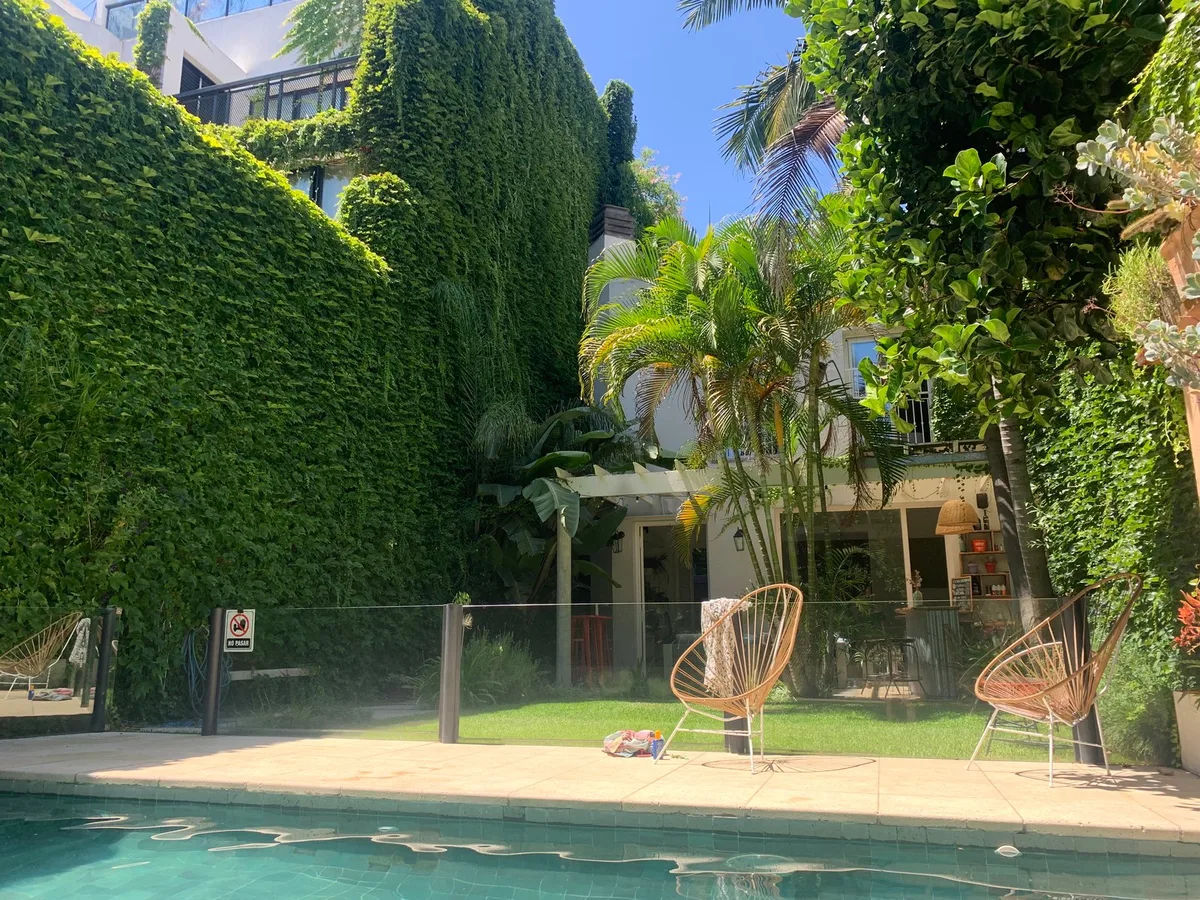
Casa Caravan
A trendy hostel with a genuine terrace and pool
Why guests love itA solo backpacker arriving with no plans left Casa Caravan with a handful of new travel companions. Afternoons went to the outdoor pool, and by sunset the rooftop terrace filled with guests trading tips over drinks from the bar. Breakfast turned into the morning meeting point for the day's plans. The private room offered a retreat, though noise from the social spaces carried on some nights, so light sleepers will notice the lively mood.
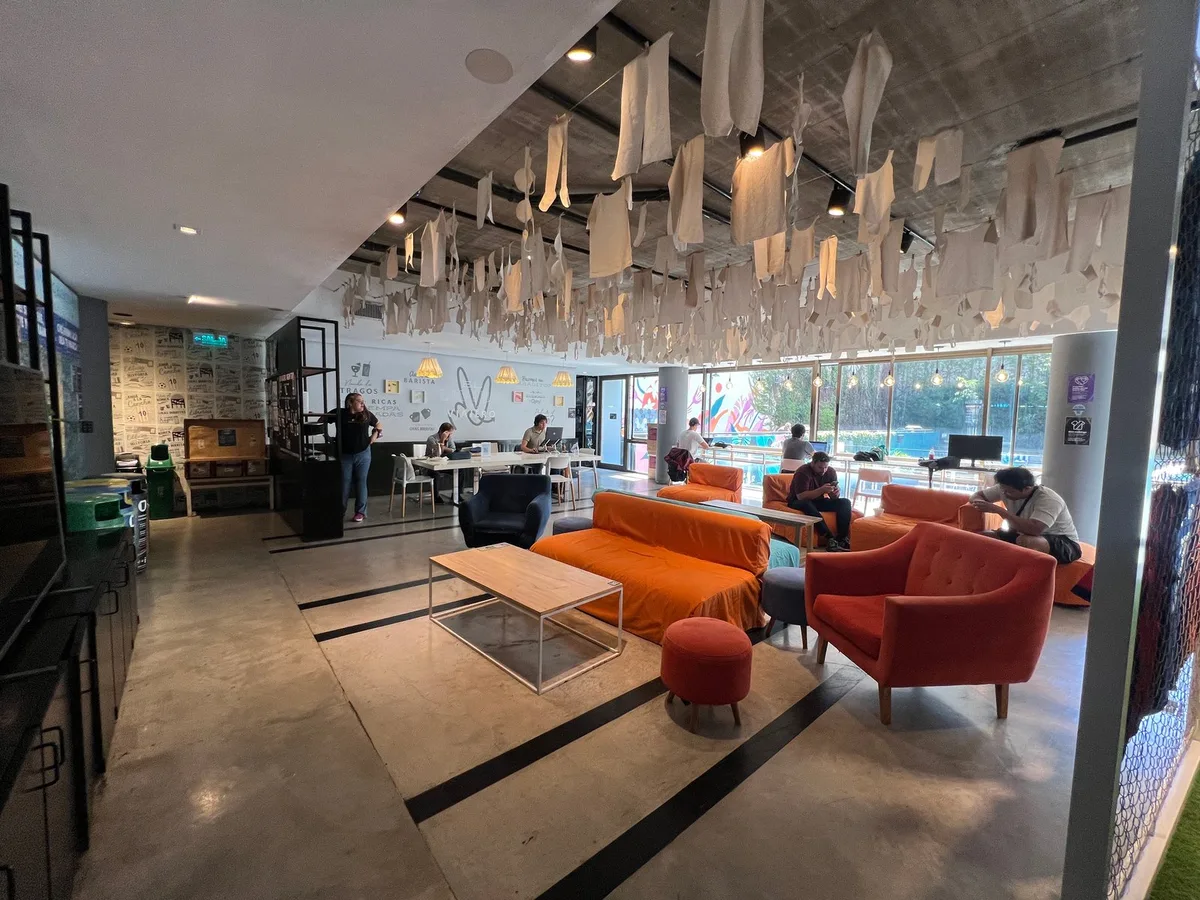
Viajero Hostel Buenos Aires
A 9.4-rated roof where the whole hostel gathers
Why guests love itA woman traveling alone checked into Viajero expecting to keep to herself and ended up on the rooftop terrace most evenings, pulled into conversations with guests from all over. The roof is the hostel's communal heart, busiest as the sun drops and well into the night. A private room offered a quiet retreat when she needed one. Anyone wanting early nights or formal service would struggle here, but for company with a view, it rarely misses.
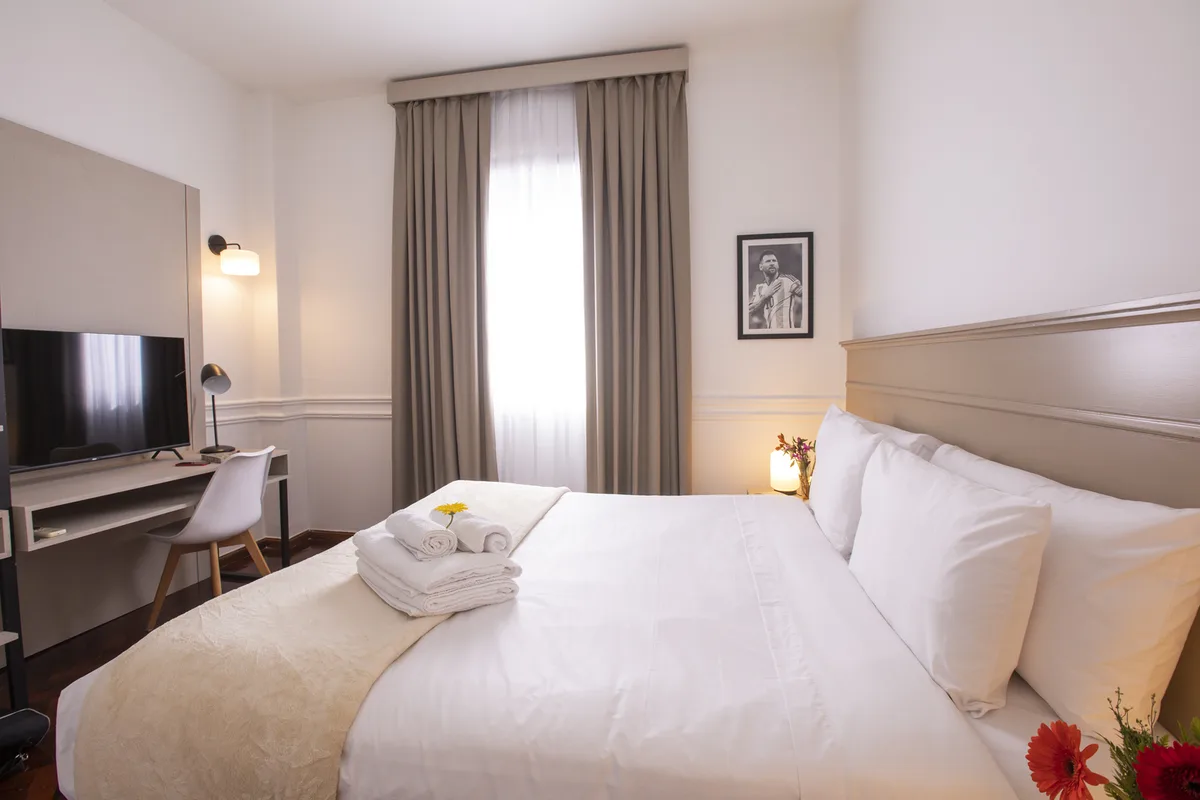
El Misti Buenos Aires Centro
A central stay with a genuine rooftop terrace
Why guests love itTwo backpackers covering Buenos Aires on foot liked El Misti for its central position and its rooftop terrace. Days went to walking the center's streets, and evenings started back on the roof, resting their legs above the low, even skyline before heading out again for dinner. The rooms are basic, and the property makes no claim to polish. For a budget stay with a genuine terrace, they felt it delivered exactly what it promised.
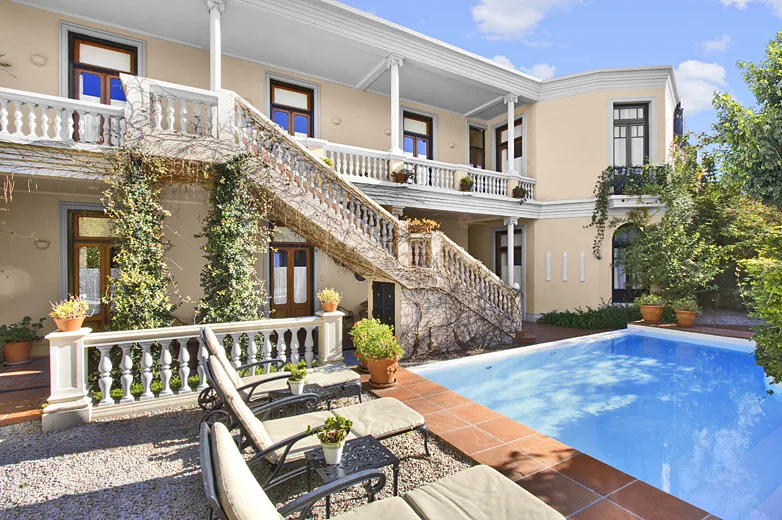
Hotel Del Casco
Neoclassical charm with pool, spa, and terrace
Why guests love itFor a slow three-day break, a couple chose Hotel Del Casco for its neoclassical setting and found plenty to keep them in. They split the afternoons between the outdoor pool and the spa area, then moved up to the rooftop terrace as the light softened over the low skyline of the city. The pace stayed unhurried throughout. They noted it is not a place for rooftop nightlife, but as a calm retreat with pool, spa and terrace together, it delivered.
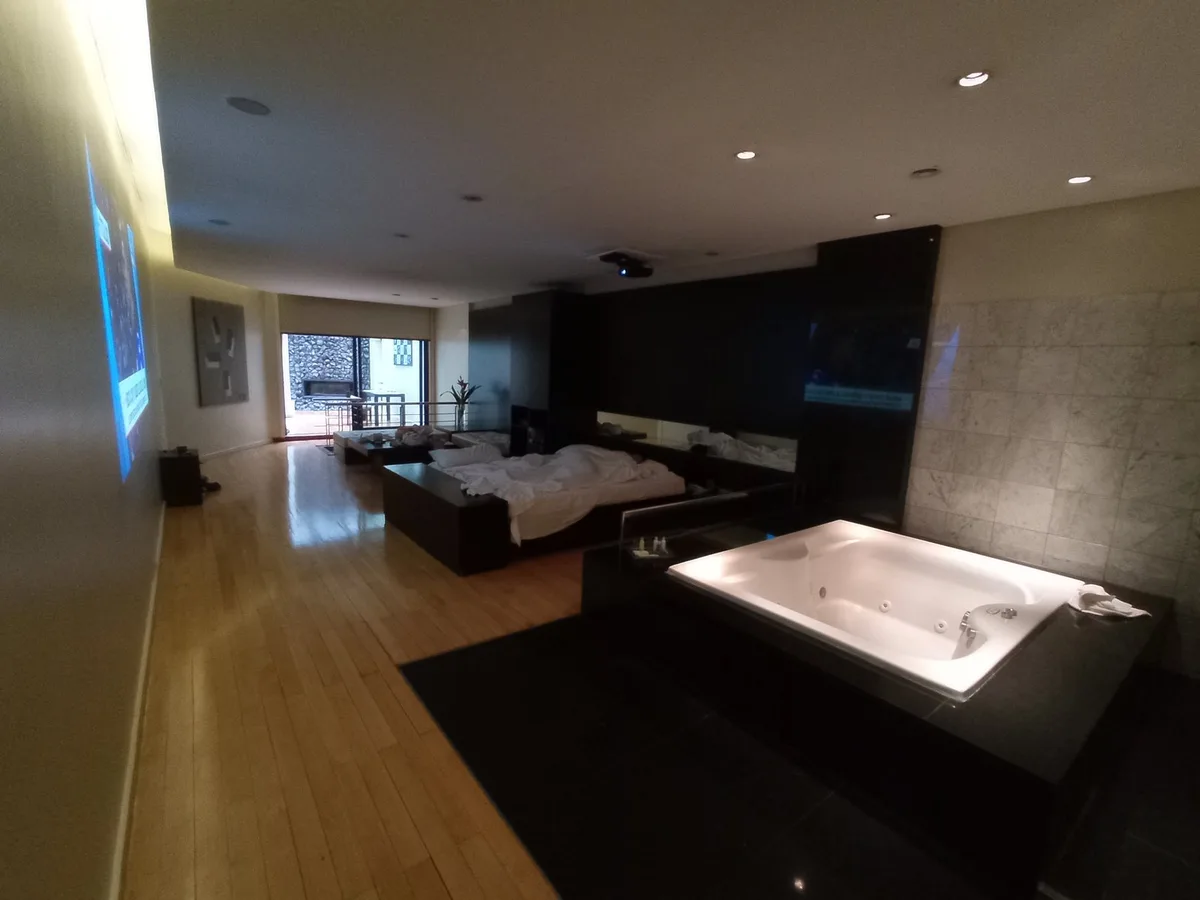
Gral Paz Hotel
Modern rooms with round-the-clock dining and a terrace
Why guests love itLanding close to midnight after a delayed flight, one traveler was relieved to find the 24-hour restaurant at Gral Paz still serving a proper meal. The following days ran on a looser pattern than planned, and the rooftop terrace over the low skyline of the center gave a calm place to reset between outings. Free breakfast smoothed the mornings. The roof has no pool or bar scene, so the payoff here is flexibility and quiet rather than spectacle.
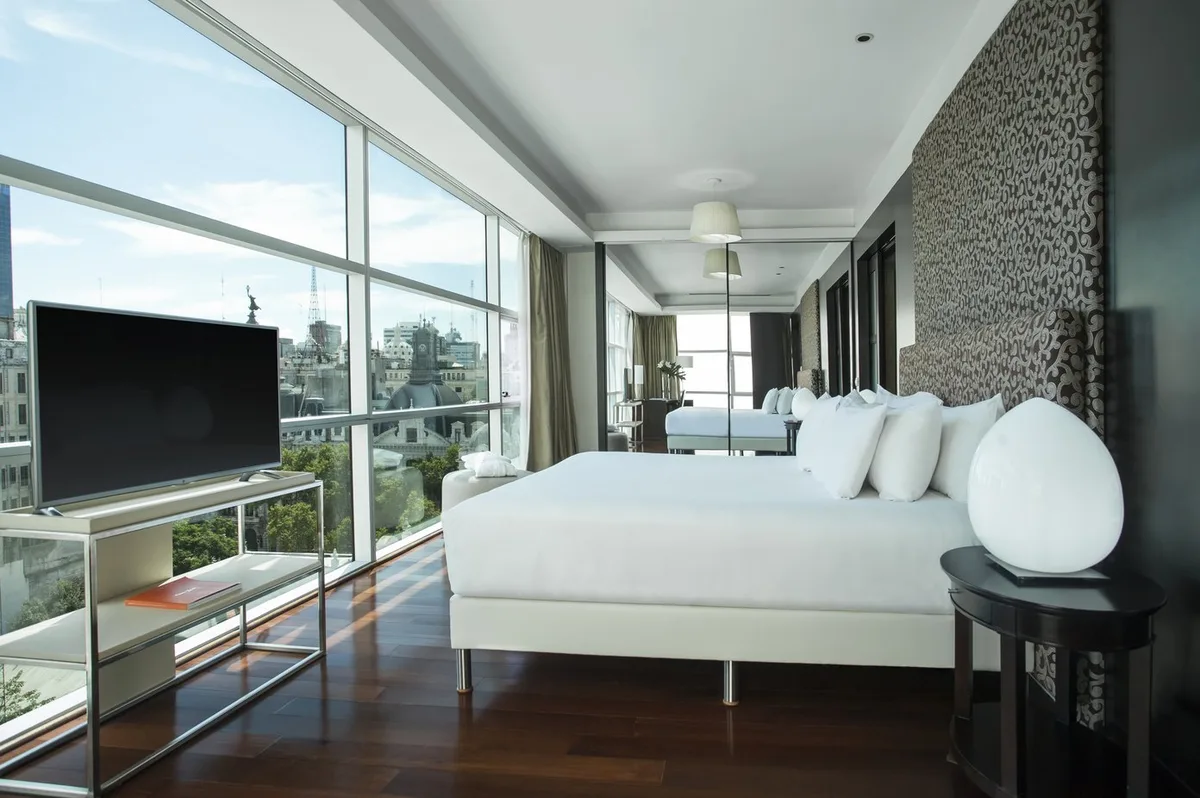
Hotel NH Collection Buenos Aires Centro Histórico
Art deco polish with a terrace open around the clock
Why guests love itA consultant in Buenos Aires for a week of meetings ran on a schedule that never matched normal bar hours, and this hotel absorbed that without fuss. After late calls, the 24-hour bar meant a drink was always possible, carried up to the terrace above the low, repeating rooftops of the Microcentro. One early morning before a flight, the terrace was empty and quiet. The view stays modest rather than dramatic, but the art deco shell made every return feel like an occasion.

Argenta Suites Belgrano
Belgrano calm with a nine-rated roof
Why guests love itA remote worker spending two weeks in Belgrano chose Argenta Suites for space and calm, and the suite-style room made long working days comfortable. The rooftop terrace turned into a private ritual at the end of each afternoon, quiet and well away from any scene. The leafy residential streets felt like local life rather than tourist Buenos Aires. The trade-off was clear, though: museums and nightlife meant a real transit ride south every time.
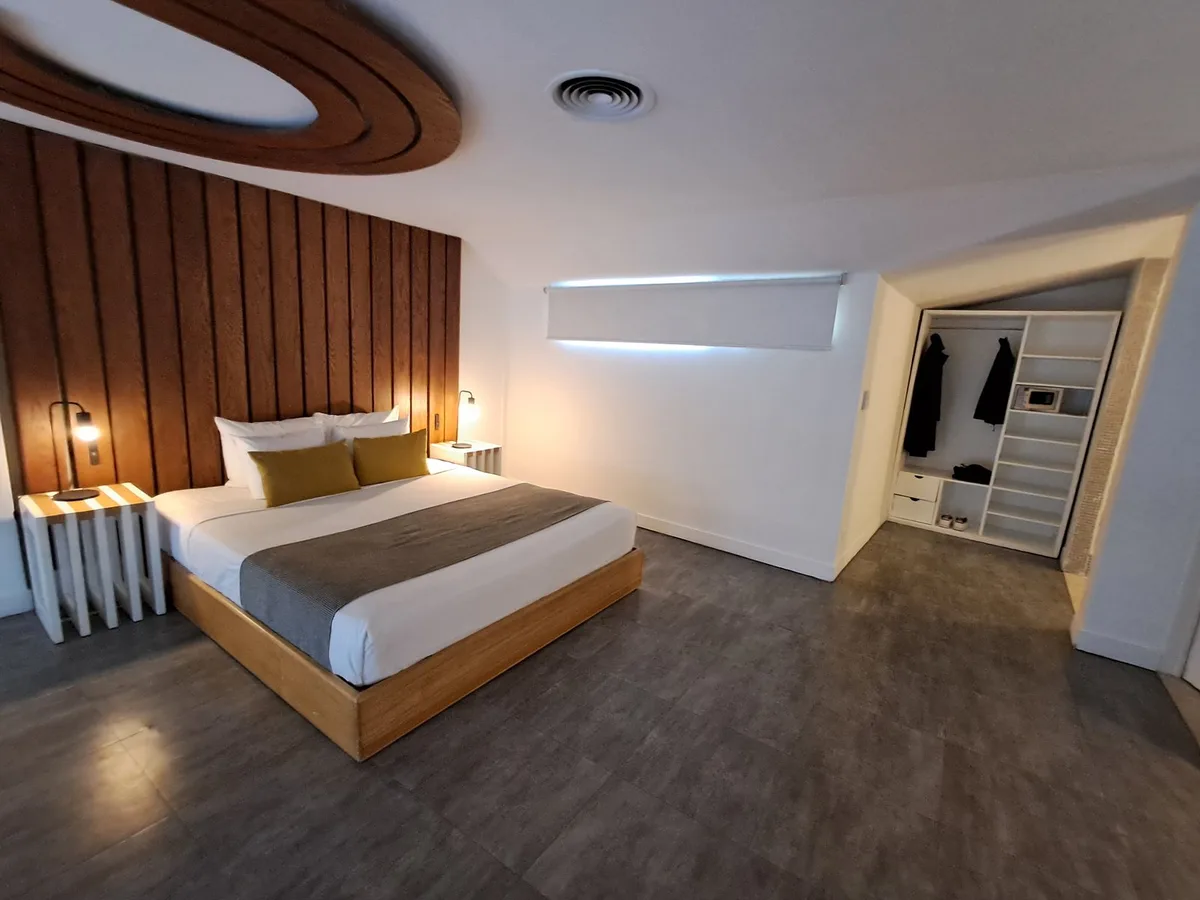
HTL 9 de Julio
A terrace named after the city's grandest avenue
Why guests love itTheatre tickets three nights in a row shaped one couple's stay at HTL 9 de Julio, and the central position put every show within walking distance. Before curtain, they took an early drink on the rooftop terrace; afterwards, they came back for a nightcap above the lights of the center. The rooms were comfortable and well kept. Light sleepers should know the center keeps moving at all hours, and street noise can rise late at night.
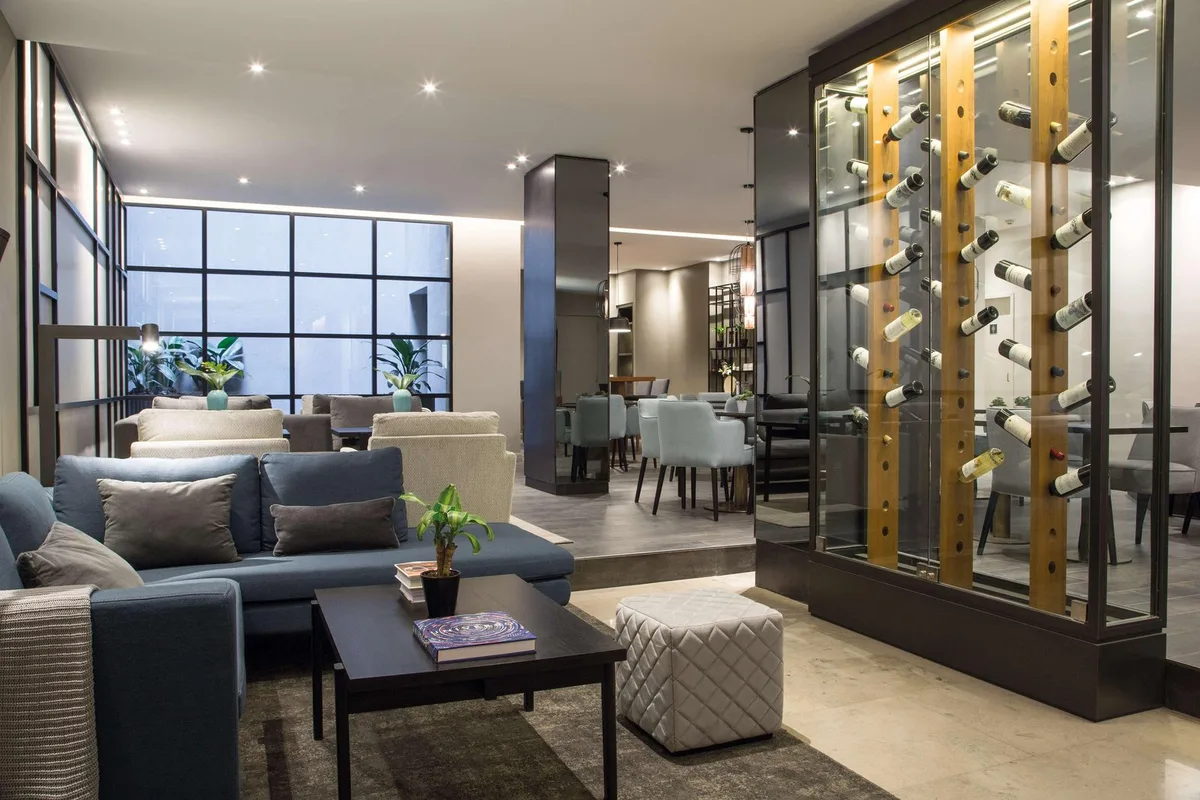
Hotel NH Collection Buenos Aires Crillón
Mediterranean flavors and a relaxed rooftop terrace
Why guests love itTwo friends on a food-focused long weekend built their evenings around a simple loop: dinner at the Mediterranean restaurant, then a slow drink on the rooftop terrace while the low, even rooftops of the city center went dark. Nothing about the night felt staged, which was the point. They noted that anyone hoping for a late, loud bar would find the mood too quiet, but for real conversation after a good meal, the terrace worked every single time.
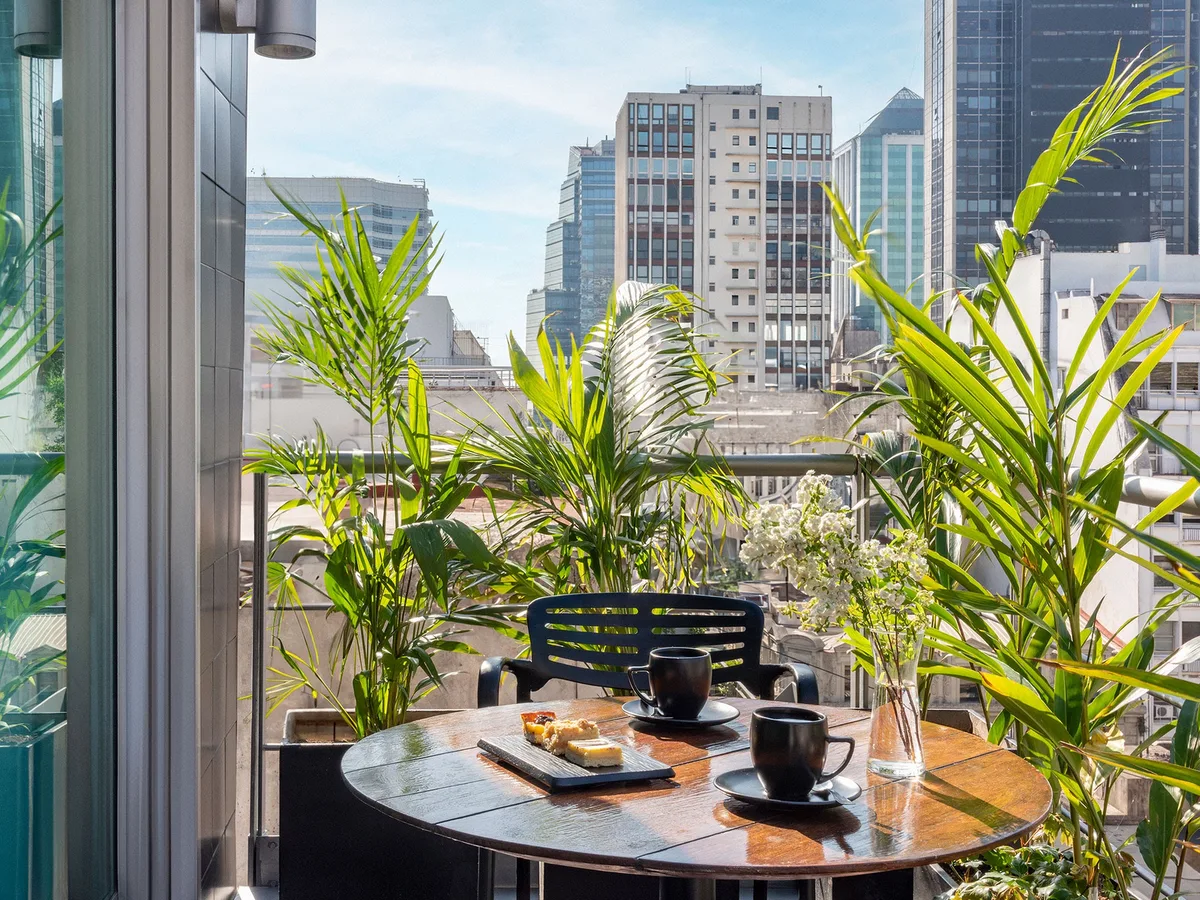
HTL Urbano Buenos Aires Hotel
A laid-back stay with a genuine rooftop terrace
Why guests love itTwo students on a tight budget treated HTL Urbano as a practical base and were surprised by how much they used the rooftop terrace. After long days walking the city, they spent their last hour of daylight there, watching the low, even skyline of the center lose its color at dusk. The breakfast buffet fueled early starts, and the rooms were plain but did the job. The terrace has no bar or pool, so it rewards those happy with a quiet hour rather than a scene.
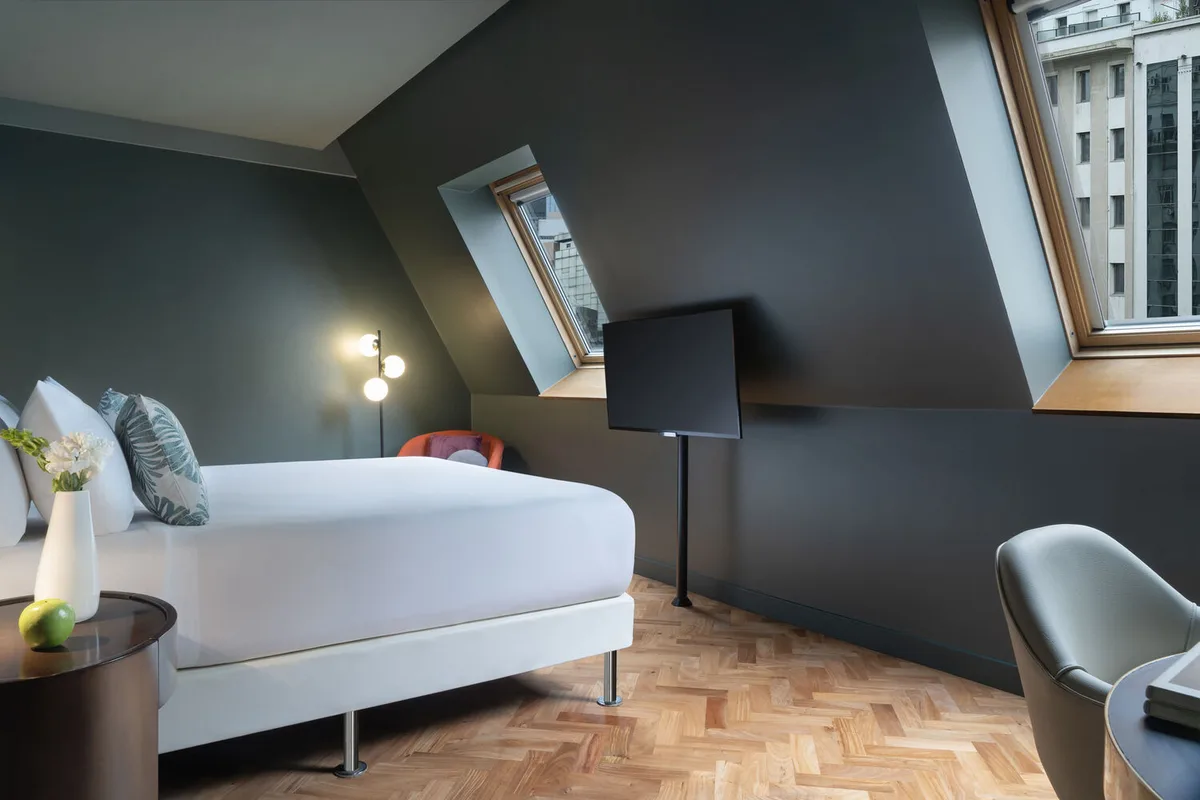
Hotel NH Collection Buenos Aires Lancaster
Elegant rooms with a genuine rooftop terrace
Why guests love itThree colleagues who stretched a work trip into a few extra days found a rhythm quickly: the gym in the morning, sightseeing through the afternoon, and a drink from the bar carried up to the rooftop terrace once the light softened. The view over the low, even skyline of the center is calm rather than spectacular, and none of them minded. The elegant rooms made the return each night easy. Anyone expecting a pool or a scene on the roof would be disappointed.
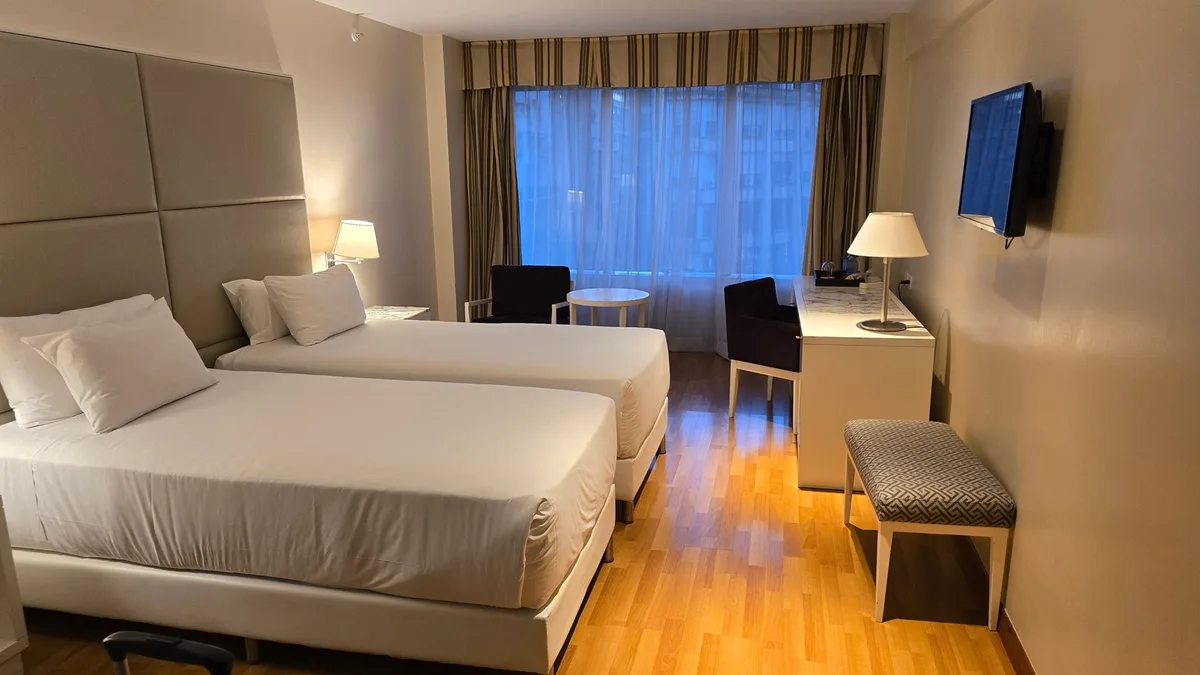
Hotel NH Buenos Aires Latino
Refined rooms with a casual terrace and gym
Why guests love itMid-range and well-rounded was what a business traveler extending into a weekend wanted, and NH Latino matched it. Workouts in the gym started each day, the casual restaurant handled quick dinners, and a final drink from the bar went up to the rooftop terrace above the low skyline of the center. The terrace stayed relaxed and never crowded. Those chasing a pool or late-night energy would need to go elsewhere, but for a balanced stay it held up well.
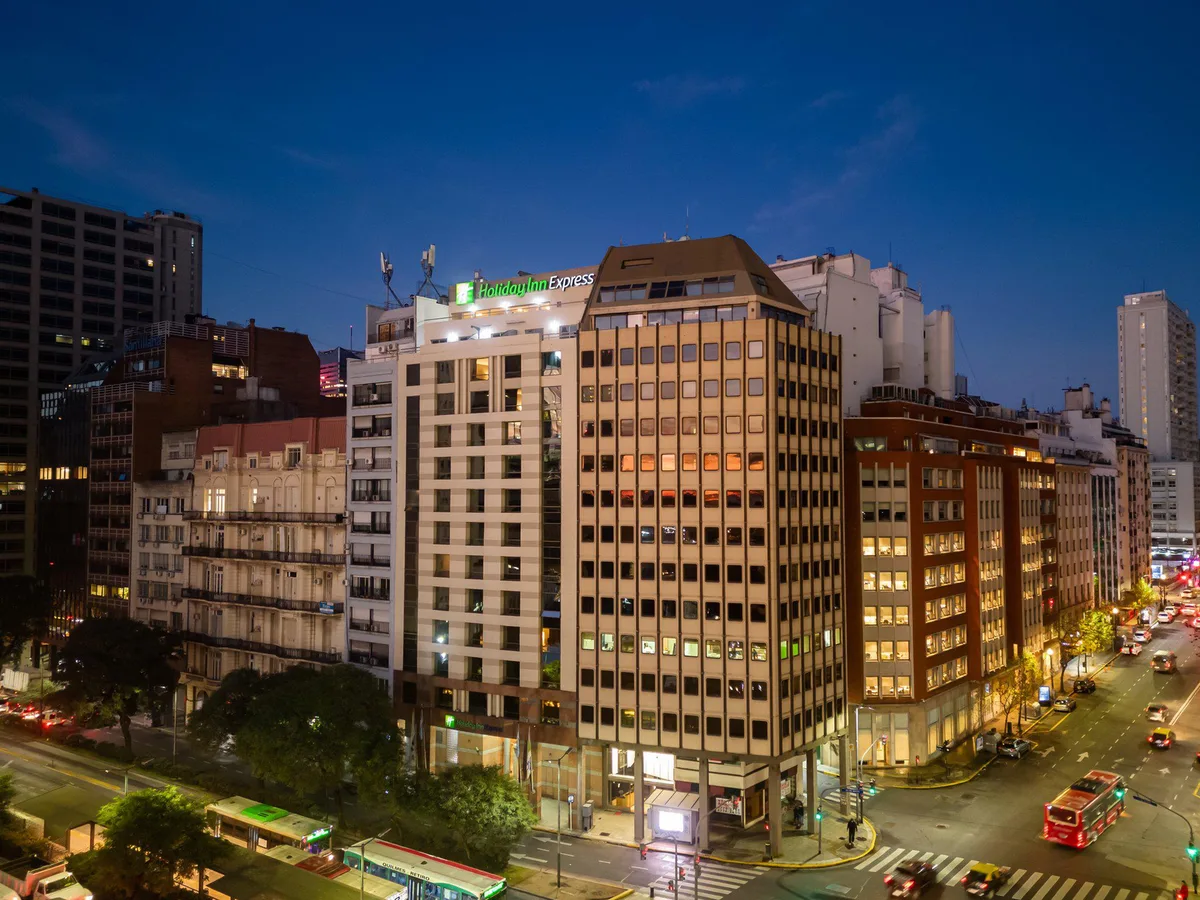
Holiday Inn Express Puerto Madero by IHG
Docklands position with a terrace over Puerto Madero
Why guests love itA couple on a budget built their evenings around the rooftop terrace at the Holiday Inn Express Puerto Madero. Days started with a walk toward Plaza de Mayo, and late afternoons ended upstairs with the docklands below, the brick warehouses and towers catching the river light. The Express format kept things lean, with no full-service extras. The district quiets down after dinner, which they liked, though anyone wanting nightlife on the doorstep should stay elsewhere.
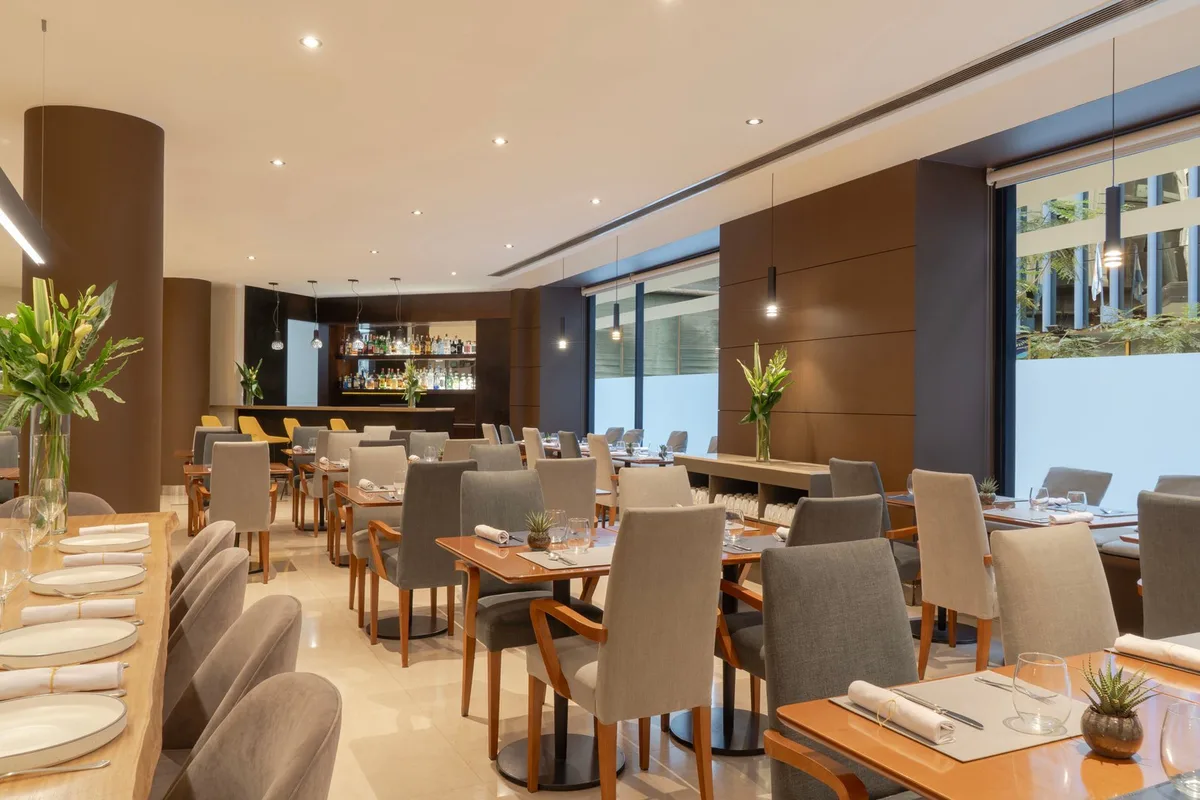
Hotel NH Buenos Aires Florida
NH dependability above the pedestrian center's bustle
Why guests love itA first-time visitor wanting to see as much of the center as possible on foot picked NH Florida for its position near Calle Florida. Long sightseeing days ended with a pause on the rooftop terrace, above the street noise of the pedestrian district below. The chain's dependable standard meant no surprises in the room. The Microcentro empties at night, so dinner meant a short trip to livelier neighborhoods, a trade-off worth knowing before booking.
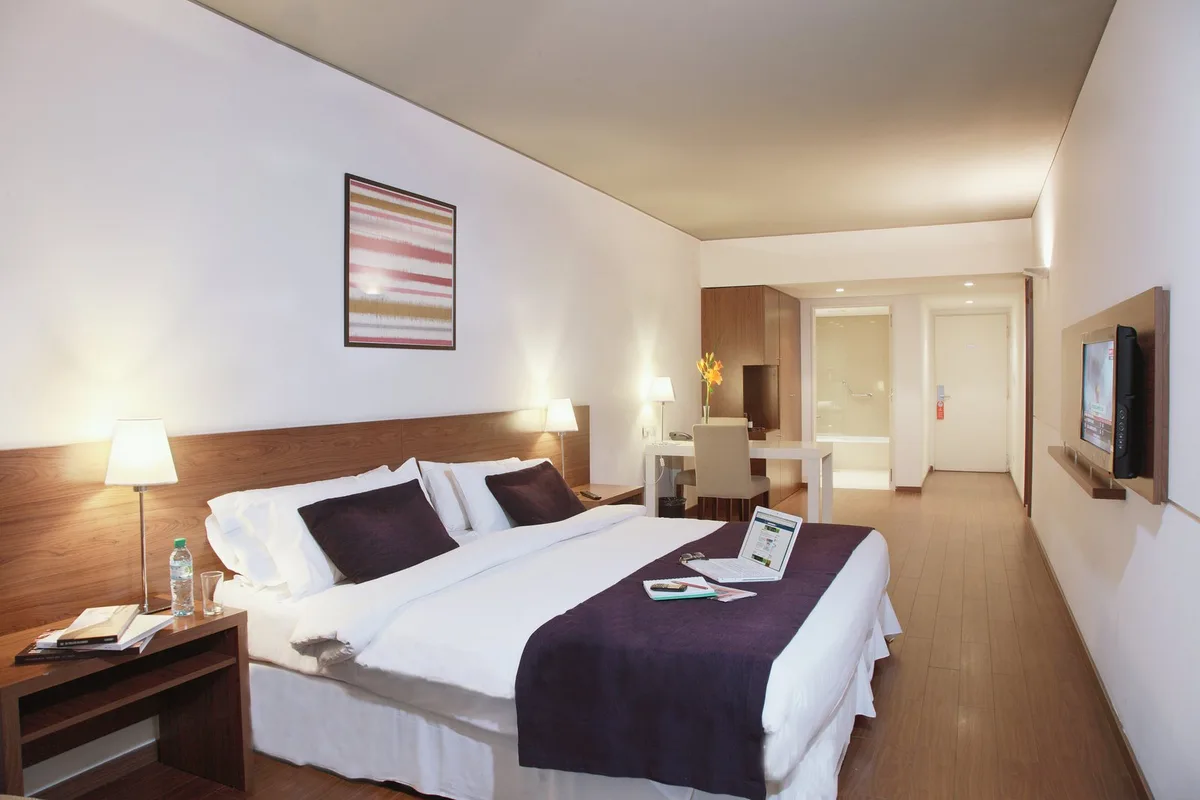
Dazzler by Wyndham Buenos Aires Maipú
Bright, unpretentious rooms under a real rooftop terrace
Why guests love itOn a short business trip, a sales manager found that Dazzler Maipú covered the essentials without fuss: a meeting room for a client session, the fitness facilities before breakfast, and bright rooms to recover in. The surprise was the rooftop terrace, where a quiet half hour after work above the low skyline of the center cleared the head. The setting is unpretentious, and no evening bar scene gathers upstairs, so it suits a working stay more than a celebration.
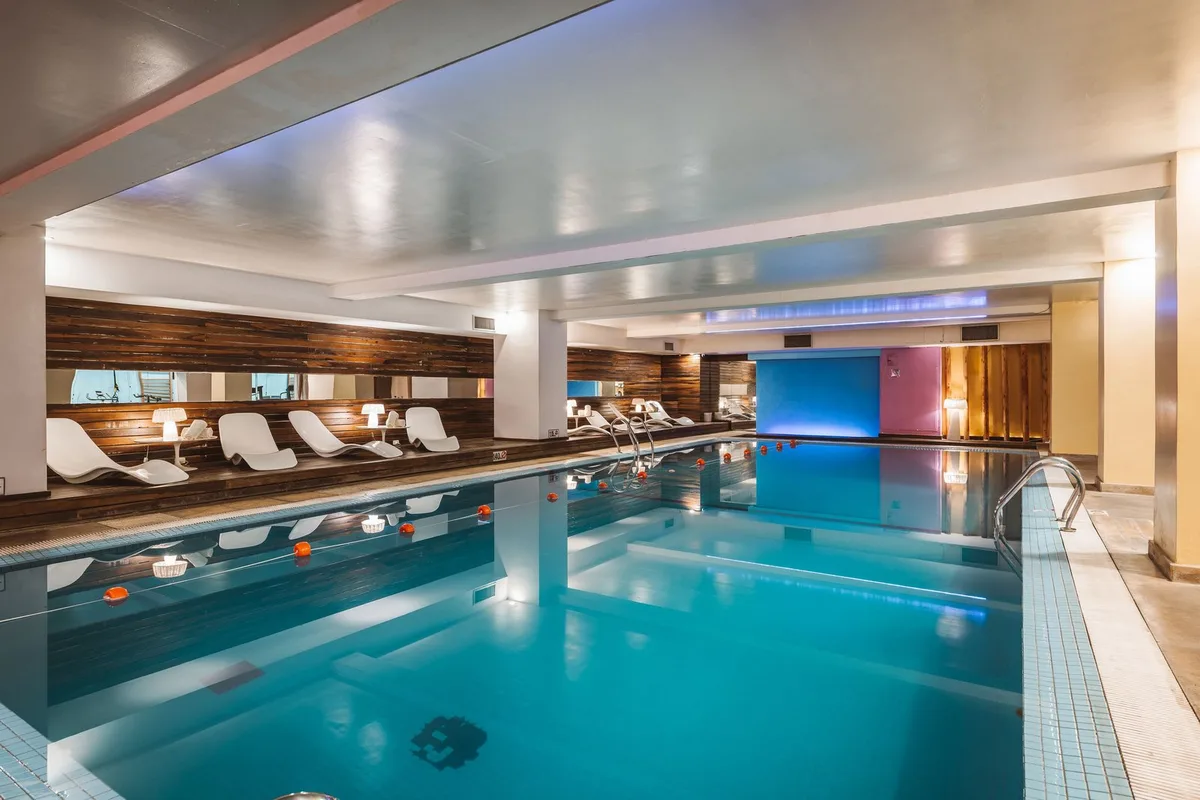
Pestana Buenos Aires
Portuguese polish under an Argentine open sky
Why guests love itA family of four on a first trip to Buenos Aires picked Pestana for low-risk comfort, and the rooftop terrace became a daily ritual. After busy days, the parents took a quiet hour upstairs while the kids unwound, with the open sky over the city as the light faded. Chain standards kept everything predictable. There is no scene or bar-led energy on the roof, so travelers after strong local character would find it too calm.
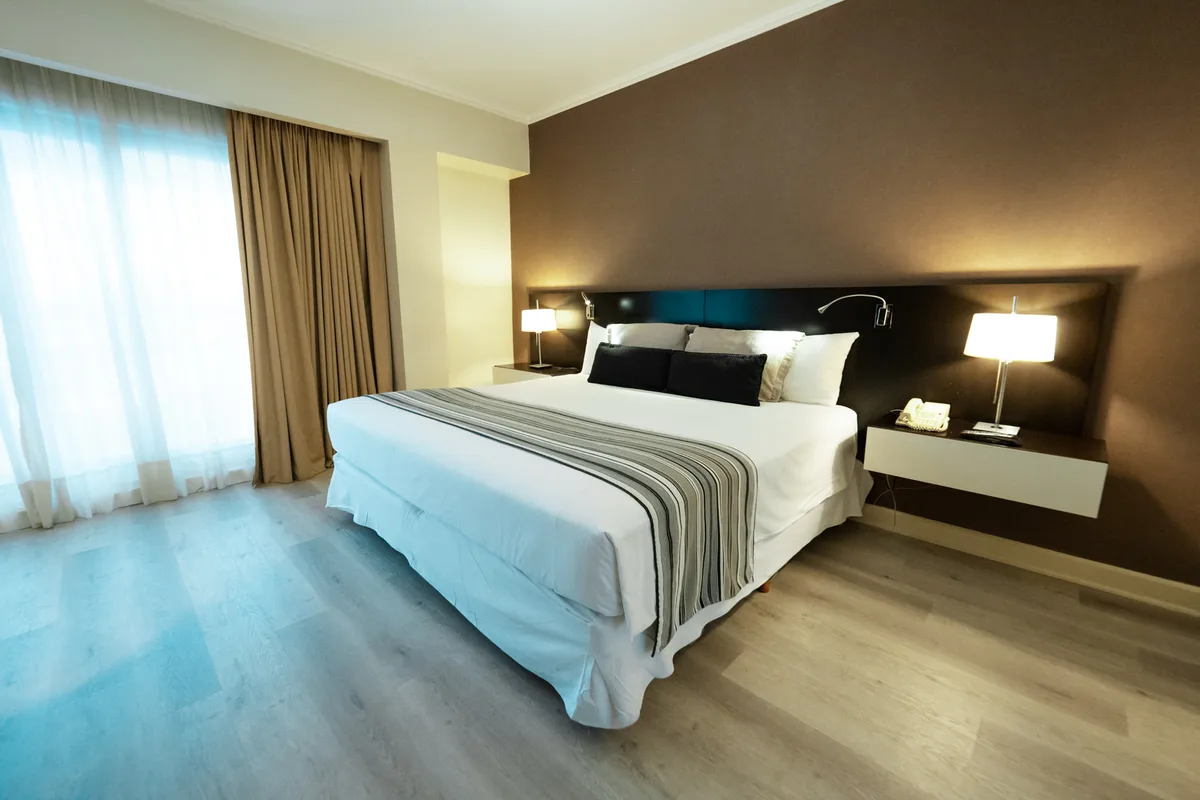
Amérian Buenos Aires
An Argentine chain hosting on its home skyline
Why guests love itWanting an Argentine feel rather than an international brand, a couple chose Amérian and liked how naturally it fit the local rhythm. The rooftop terrace became their aperitivo stop each evening before a late dinner, with the city spread out under a flat horizon. Rooms were solid and comfortable rather than showy. They admitted it lacks five-star polish and a design-led roof scene, but for a homegrown stay with a terrace, it suited them well.
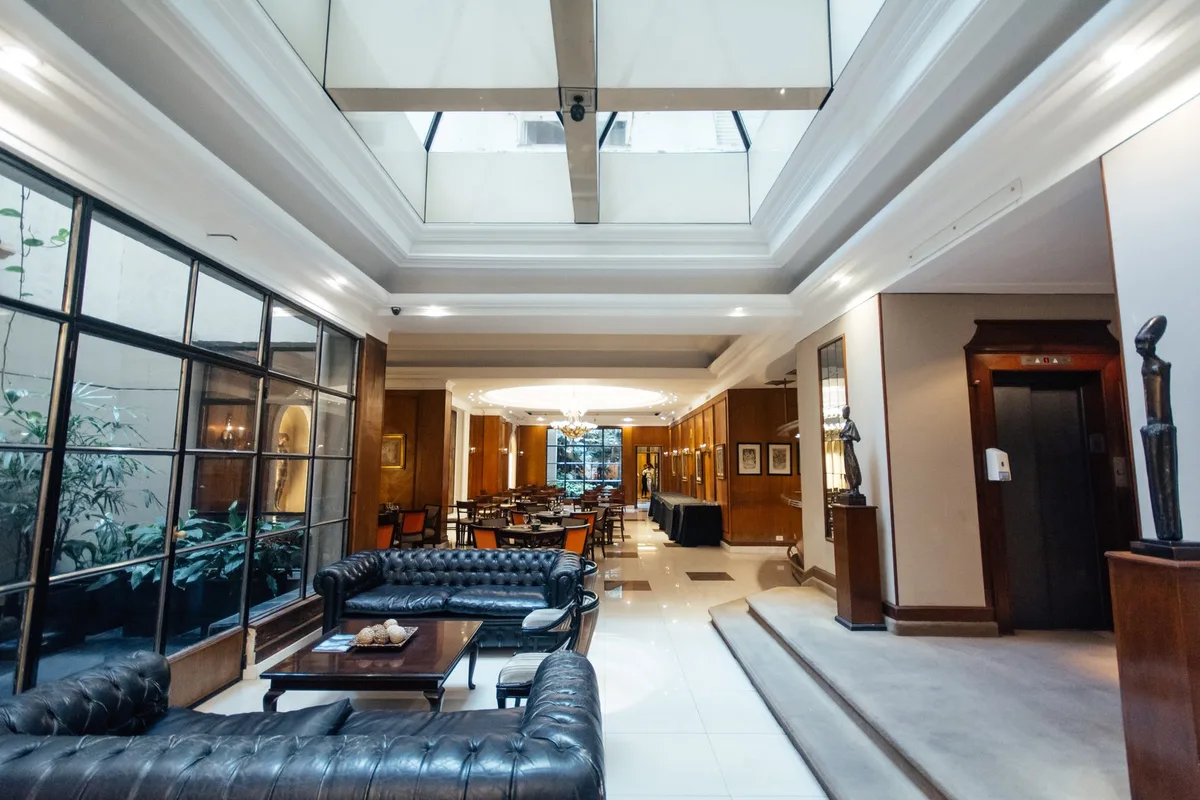
Dorá Hotel Buenos Aires
Old-world charm with a genuine rooftop terrace
Why guests love itAn older couple who dislike glass-tower hotels settled into the period feel of the Dorá within a day. Mornings started with the included breakfast, afternoons ended in the old-world bar, and on warm evenings they moved up to the rooftop terrace to watch the low skyline of the center fade into dusk. The traditional restaurant spared them a search for dinner more than once. Anyone wanting a contemporary bar or a pool should look elsewhere, but the mood fit them exactly.
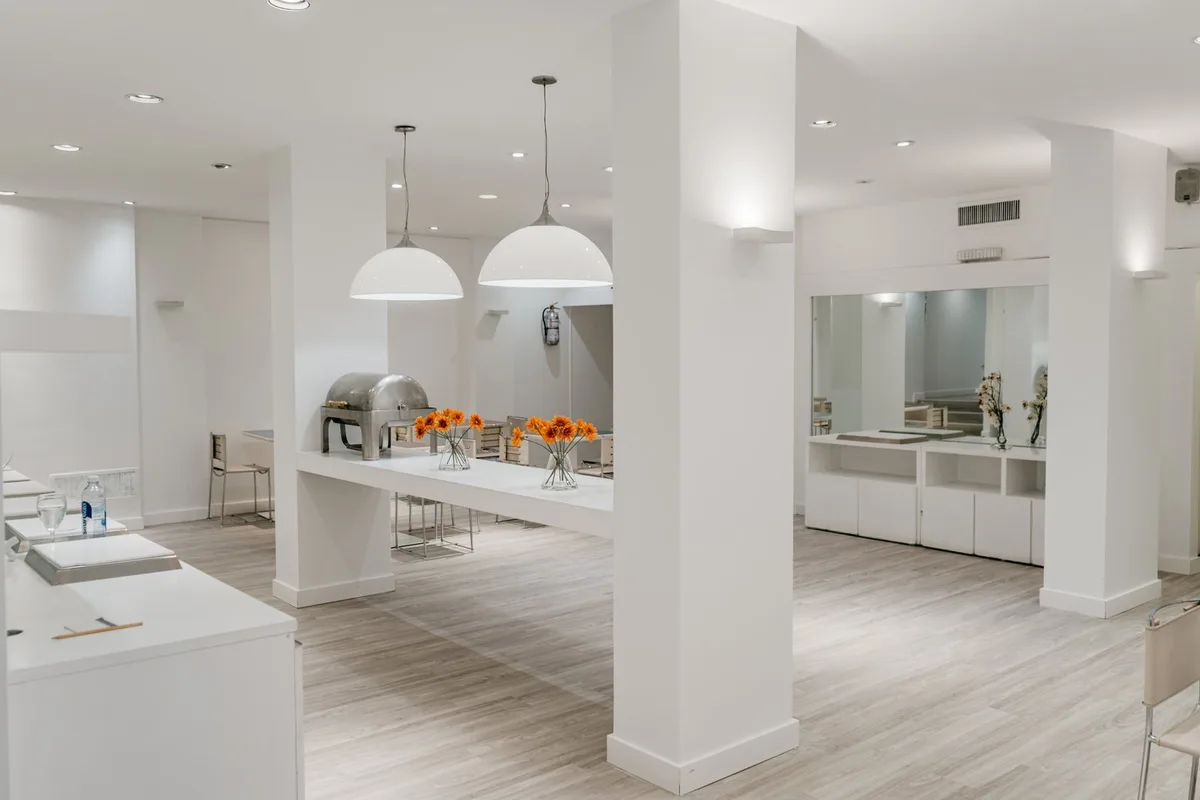
Rochester Hotel Concept
A laid-back stay with an unhurried rooftop terrace
Why guests love itA remote worker staying a week at the Rochester Hotel Concept fell into an easy routine: free breakfast, a few hours of work, then the gym before heading out. The rooftop terrace became the place to close the laptop at the end of the afternoon and watch the low skyline of the center as evening came on. The atmosphere stayed relaxed throughout, with no bar scene upstairs. Anyone after polish or a pool would find it too simple.
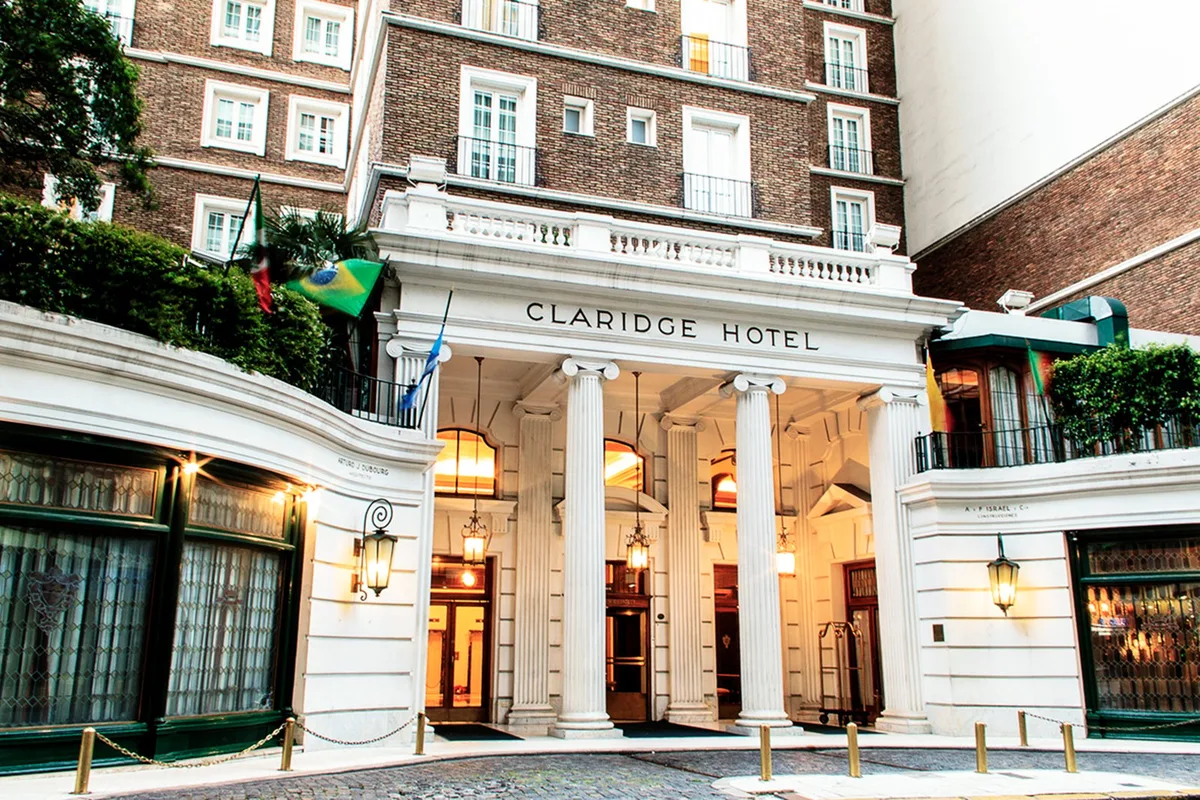
Claridge Hotel, Buenos Aires
Old-school five-star manners with a roof upstairs
Why guests love itA repeat visitor to Buenos Aires returned to the Claridge for its old-school manners and was glad of the terrace upstairs. Formal service and traditional interiors set the tone below, while the roof offered open air above the city's flat, dome-studded roofscape in the late afternoon. Nothing about it felt cutting-edge, and some details showed their age. For a traveler who values institutions, the pairing of classic five-star style and a terrace felt right.
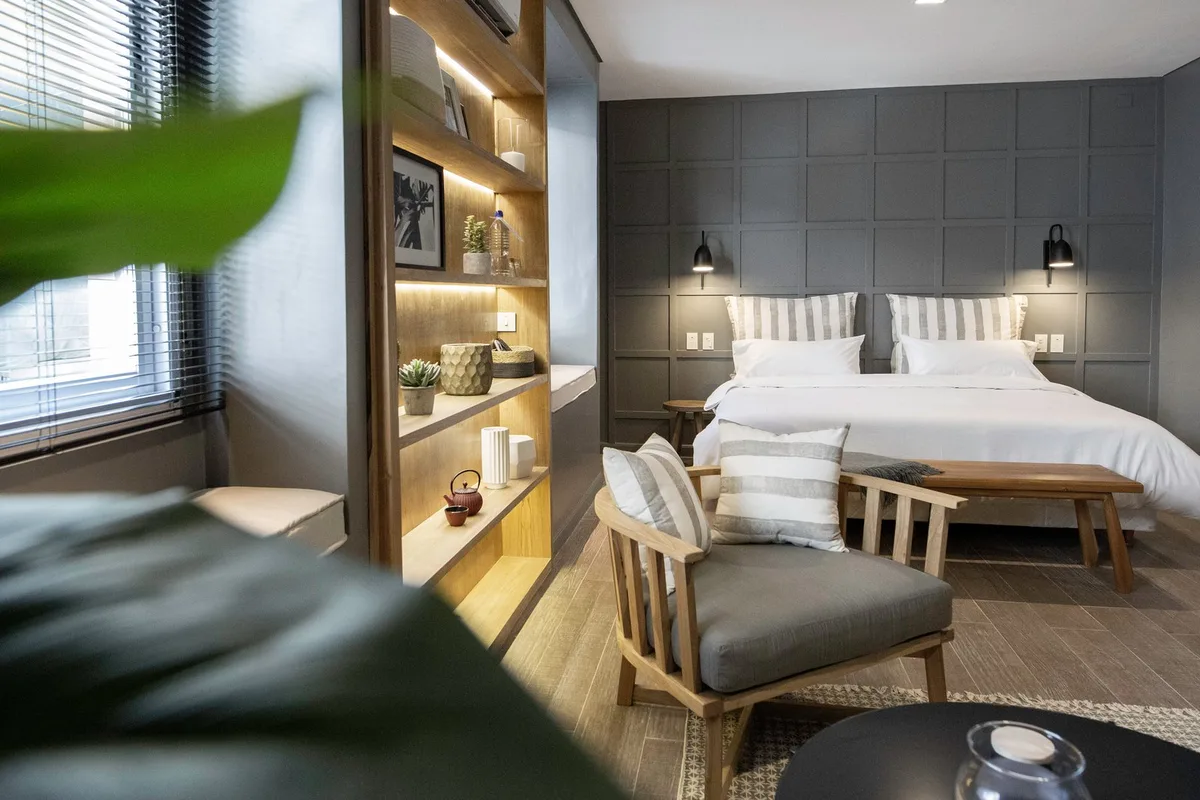
Carsson Hotel Buenos Aires
A ritzy lobby leading up to a quiet terrace
Why guests love itA solo traveler on a slow city break liked how the Carsson balanced polish with calm. The ritzy lobby set a formal tone on arrival, the free breakfast made early starts painless, and late afternoons belonged to the rooftop terrace, quiet enough to read until the light faded over the low rooftops of the center. There was no bar crowd to compete with, which was exactly the appeal. Travelers wanting a pool or a lively evening upstairs would find it too subdued.
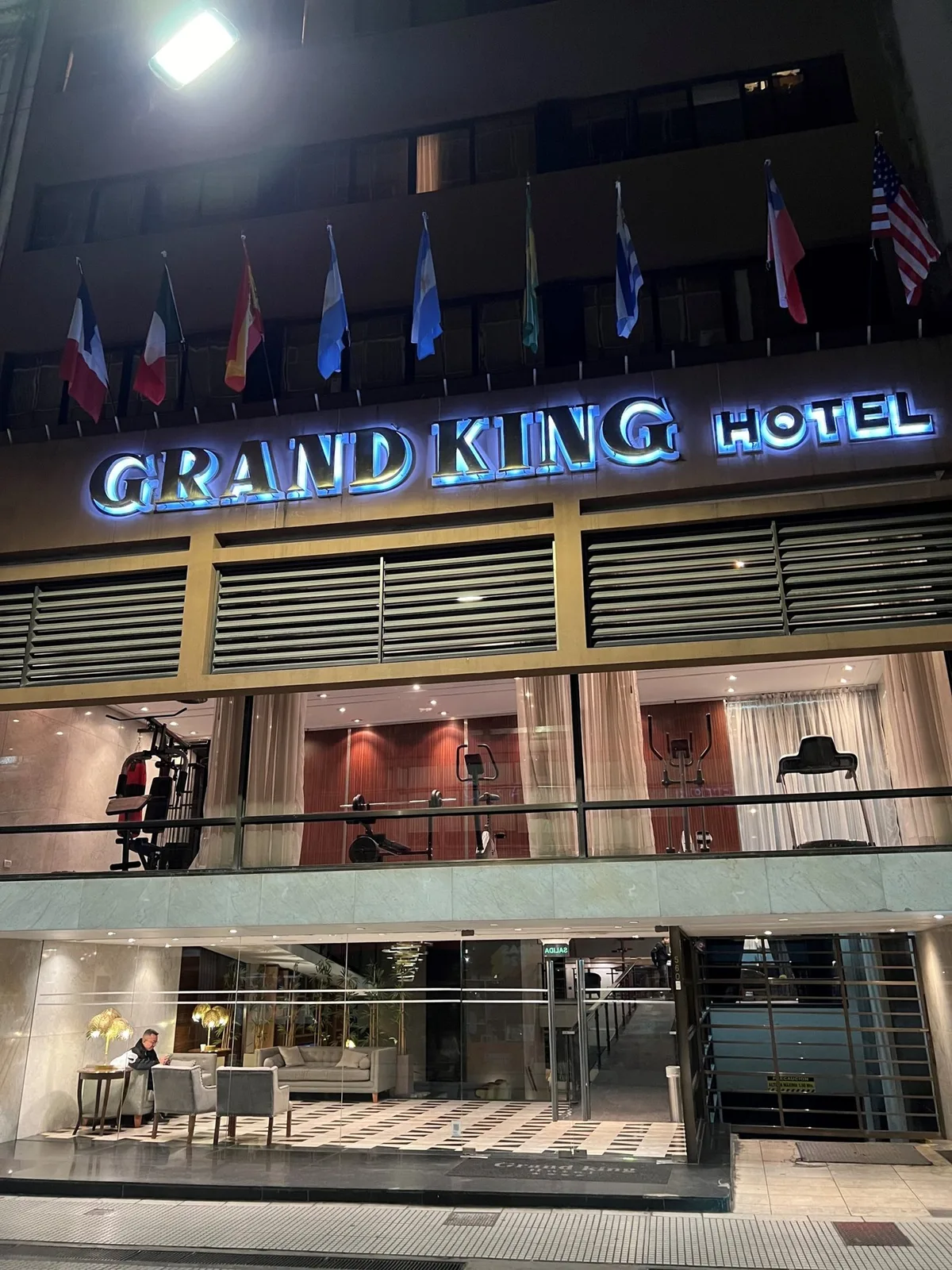
Grand King Hotel
Honest mid-range with the horizon included
Why guests love itDays in San Telmo, Recoleta and the Microcentro kept one budget traveler out from morning to night, so the Grand King was mainly a bed, and a good-value one. What lifted the stay was the rooftop terrace: a quiet open-air hour above the city before heading back out to dinner. Some rooms showed worn edges, and service was functional rather than warm. Treated as a launchpad with a terrace bonus, it did exactly its job.

ibis Buenos Aires Congreso
A straightforward stay with a real rooftop terrace
Why guests love itPractical was the word one couple used for ibis Congreso, and they meant it kindly. The location near Congreso put them close to the sights they wanted, the airy restaurant covered dinner on tired nights, and the 24-hour bar meant a drink was available even after a late return. Most nights ended with a short stop on the rooftop terrace over the low skyline of the center. It is simple rather than polished, and they were fine with that.
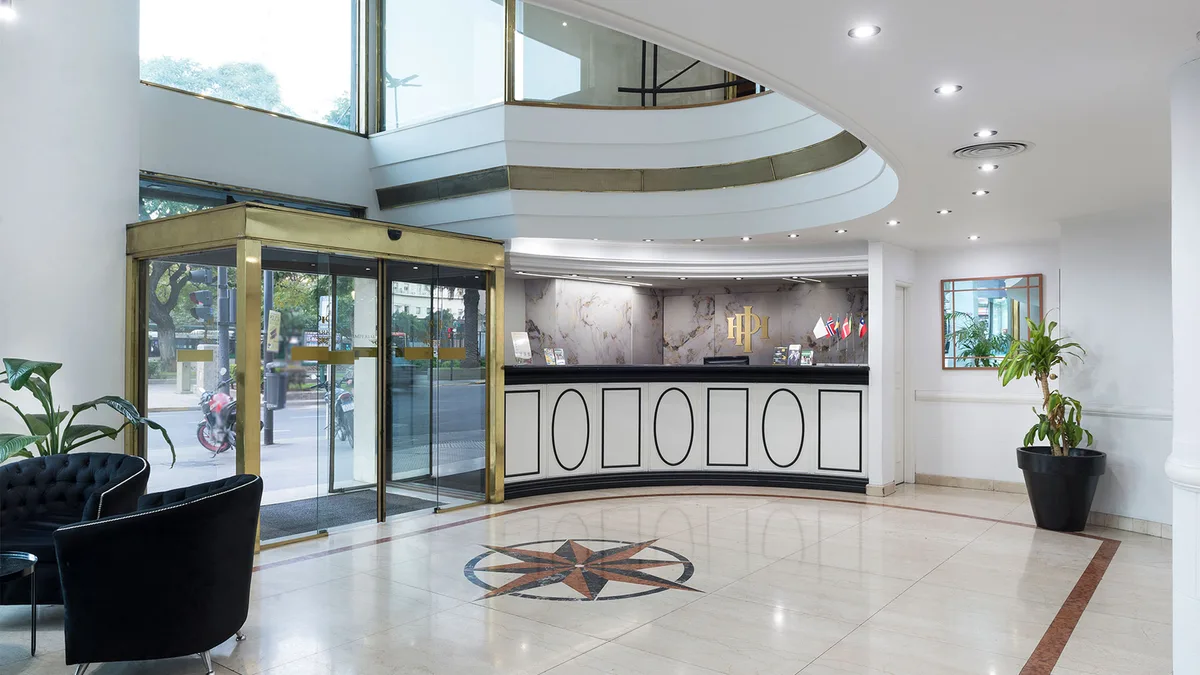
Imperial Park Hotel
A straightforward base that keeps its sky
Why guests love itA sightseer who spent every daylight hour exploring booked Imperial Park mainly for the price and the terrace, and that trade paid off. The room was functional and nothing more, but each evening ended up on the roof, watching the city's horizon fade, a fair reward after long walks. Service and interiors felt ordinary for four stars, and the guest said so plainly. For someone who ranks the roof above the room, though, the choice made sense.
Local tips
- 1Go up twice a day: once in late afternoon when the west-facing light is at its best, and once after midnight when the grid turns to straight lines of streetlights.
- 2Pack a light layer even in summer; the breeze coming off the Rio de la Plata can drop the temperature on an open roof well below street level.
- 3Choose a terrace near Plaza de Mayo or Avenida de Mayo if domes and belle epoque skyline matter to you; go toward Belgrano for quieter, greener rooftops.
- 4Ask the front desk about terrace hours before you plan an evening; some roofs close early on Sundays, when much of central Buenos Aires goes quiet.
- 5Visit in November if you can, when jacarandas color the plazas purple and the view from above shows a different city from the one at street level.
- 6Pick a hotel near Congreso or along Avenida de Mayo if you want domes rather than glass in your terrace view, and time your visit for late afternoon, when the Palacio Barolo catches the sun.